NBA Referee Gambling Policies: Post-Donaghy Rules and Restrictions
 Available in US
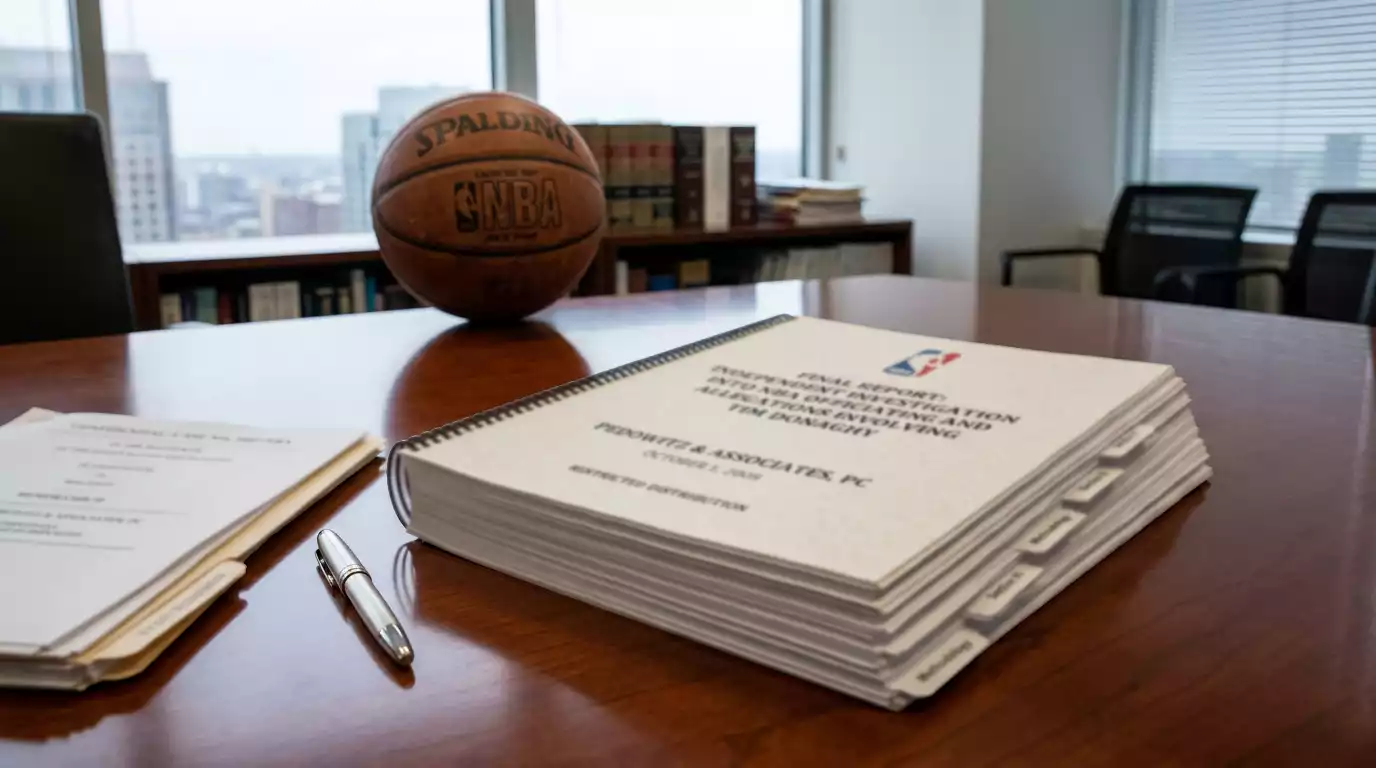
When the Pedowitz Report landed on my desk in 2008, one statistic stopped me cold: 52 of 57 NBA referees had engaged in some form of gambling. Not on basketball, the investigators were careful to note, but gambling nonetheless. Casinos, poker, sports other than the one they officiated. The officiating corps was saturated with gambling activity, and the league had done almost nothing to address it.
Tim Donaghy’s arrest forced a comprehensive review of how the NBA managed referee conduct. The policies that emerged from that crisis remain in effect today, though with modifications reflecting evolving integrity concerns. Understanding what referees can and cannot do illuminates how the league tries to prevent another Donaghy.
What Rules Existed Before Donaghy
The pre-2007 landscape was remarkably permissive. Referees were prohibited from betting on NBA games, obviously, but restrictions beyond that core prohibition were minimal and inconsistently enforced. Casinos, horse racing, other sports, all were tolerated as long as they didn’t directly involve basketball.
Background checks for referee candidates existed but were superficial. The league verified identities and criminal histories without deeply investigating gambling associations, financial circumstances, or personal vulnerabilities. Once hired, referees received little ongoing scrutiny of their off-court activities.
The Pedowitz investigation documented this lax environment in damning detail. Investigators found that 52 of 57 NBA referees had engaged in some form of gambling, a proportion that suggested gambling culture pervaded the officiating corps. Lawrence Pedowitz wrote in his conclusions that “because the potential for referee bias remains a threat to the integrity of the game, the League can do more.”
The understatement was diplomatic. The league had created conditions where a referee with gambling problems could operate for years without detection. Donaghy exploited that environment for four consecutive seasons before external investigation exposed him.
Current Restrictions on Referee Conduct
Post-Donaghy rules significantly expanded what referees cannot do. The prohibition on betting extends beyond NBA games to encompass all professional basketball worldwide. Referees cannot wager on college basketball, European leagues, or any other competition where their professional expertise might create advantage or vulnerability.
Association restrictions mirror those for players. Referees must avoid relationships with known gamblers, bookmakers, or anyone involved in betting operations. The policy recognises that corruption often begins through personal connections rather than direct criminal approach. A referee who regularly socialises with gambling figures creates risk even without placing bets.
Financial transparency requirements increased substantially. Referees must disclose their financial circumstances and are subject to monitoring for signs of unusual wealth, unexplained expenditures, or debt problems that might create vulnerability. The goal is identifying referees at risk of corruption before they’re approached rather than after they’ve been compromised.
Communication policies restrict how referees interact with team personnel, media, and the public about game-related matters. Any information that might affect betting markets is considered sensitive. The timing reforms that moved referee assignment announcements to game-day mornings reflect this broader concern about information control.
How Referee Monitoring Works
The NBA employs multiple monitoring mechanisms that weren’t present during Donaghy’s tenure. Betting pattern analysis tracks unusual market movements correlated with specific officials. If lines consistently move when a particular referee is assigned, that pattern triggers investigation.
Performance analysis examines referee calls for patterns suggesting bias. While individual controversial calls are normal, systematic deviations, consistently favouring home teams, specific franchises, or particular spread outcomes, create red flags that analysts investigate.
The league maintains relationships with integrity monitoring organisations that track global betting markets. Suspicious activity reports involving NBA games reach league investigators regardless of which jurisdiction the betting occurred in. This global coordination didn’t exist before Donaghy and represents a fundamental improvement.
Referee evaluation now includes integrity components alongside competence assessment. Officials who demonstrate poor judgment in off-court matters, even without direct rule violations, may face consequences affecting their assignments and advancement.
Background Check Processes
Entering the NBA officiating corps now requires substantially more scrutiny than pre-Donaghy. Candidates undergo comprehensive background investigations covering criminal history, financial circumstances, gambling activities, and personal associations.
The Pedowitz investigation had found that only 14 of 30 NBA teams agreed to participate in interviews, suggesting resistance to transparency that extended throughout basketball operations. Post-scandal reforms addressed this by making cooperation mandatory and establishing independent investigative capacity.
Periodic re-screening occurs throughout careers. Referees don’t undergo a single background check and then operate with minimal oversight forever. Regular reviews ensure that circumstances that develop mid-career, debt problems, new associations, behavioural changes, receive attention before they become crises.
International referees face additional scrutiny because their backgrounds are harder to verify through American databases. The globalisation of basketball officiating creates challenges that purely domestic programmes don’t address, requiring coordination with foreign authorities and basketball federations.
Enforcement and Consequences
The enforcement apparatus backing referee gambling policies includes both league discipline and potential criminal liability. A referee who bets on games faces immediate termination and lifetime ban. One who shares information for gambling purposes faces similar consequences plus potential federal prosecution.
Lesser violations carry proportional penalties. Association with gambling figures short of active participation might result in warnings, fines, or reduced assignments. Failure to disclose relevant information on background checks constitutes grounds for dismissal even without underlying gambling activity.
The NBA’s position is that referee integrity cannot be compromised without destroying the product entirely. Unlike player scandals, which affect individual games, referee corruption threatens the foundational premise that games are called fairly. The league treats officiating integrity as an existential concern.
What we don’t know is how effectively these policies prevent corruption versus merely detecting it. No comprehensive audit has measured whether current rules successfully deter would-be bad actors or simply catch them faster once they act. The absence of major referee scandals since Donaghy could reflect effective prevention or just good fortune.
For UK bettors, referee policies matter because they determine confidence in game fairness. Rules that exist on paper protect nothing if they’re not enforced. The evidence suggests the NBA takes enforcement seriously, but the 2025 scandal showed that integrity vulnerabilities persist in other areas even as referee monitoring improved.
The Gap Between Policy and Practice
The transformation from pre-Donaghy laxity to current strictness represents genuine progress. Referees today operate under surveillance that would have been unimaginable in 2006. The monitoring infrastructure, background checks, and gambling restrictions create deterrence that didn’t previously exist.
But policy implementation always faces practical constraints. Resources for monitoring are finite. Some violations will escape detection. The gap between written rules and actual enforcement creates space where determined bad actors might still operate, at least temporarily.
What’s encouraging is that the post-Donaghy period has seen no comparable referee scandal. Whether that reflects successful deterrence, improved detection, or simple luck, the outcome suggests the reforms have had effect. Referees contemplating corruption now face obstacles their predecessors didn’t.
For UK punters betting NBA games, the referee policy framework provides reasonable confidence that officiating corruption is harder than it once was. Not impossible, but harder. The risks that remain in NBA betting now centre more on player conduct and information leakage than on the officials controlling the whistle. That shift reflects eighteen years of reform since Donaghy’s arrest.
Can NBA referees bet on other sports?
Post-Donaghy rules prohibit referees from betting on any professional basketball worldwide, including international leagues. Betting on other sports is strongly discouraged and monitored, though not explicitly banned. Association with gambling figures is prohibited regardless of which sport is involved.
How does the NBA monitor referee gambling activity?
The NBA uses betting pattern analysis, performance review for bias indicators, relationships with global integrity monitors, financial transparency requirements, and periodic background re-screening. These mechanisms didn’t exist before the Donaghy scandal.
What background checks do NBA referees undergo?
Referee candidates face comprehensive investigations covering criminal history, financial circumstances, gambling activities, and personal associations. Unlike pre-Donaghy superficial checks, current screening is thorough and includes periodic re-screening throughout careers.
Published by the nba ref Betting on Games team.