Chauncey Billups Gambling Charges: From NBA Champion to Federal Defendant
 Available in US
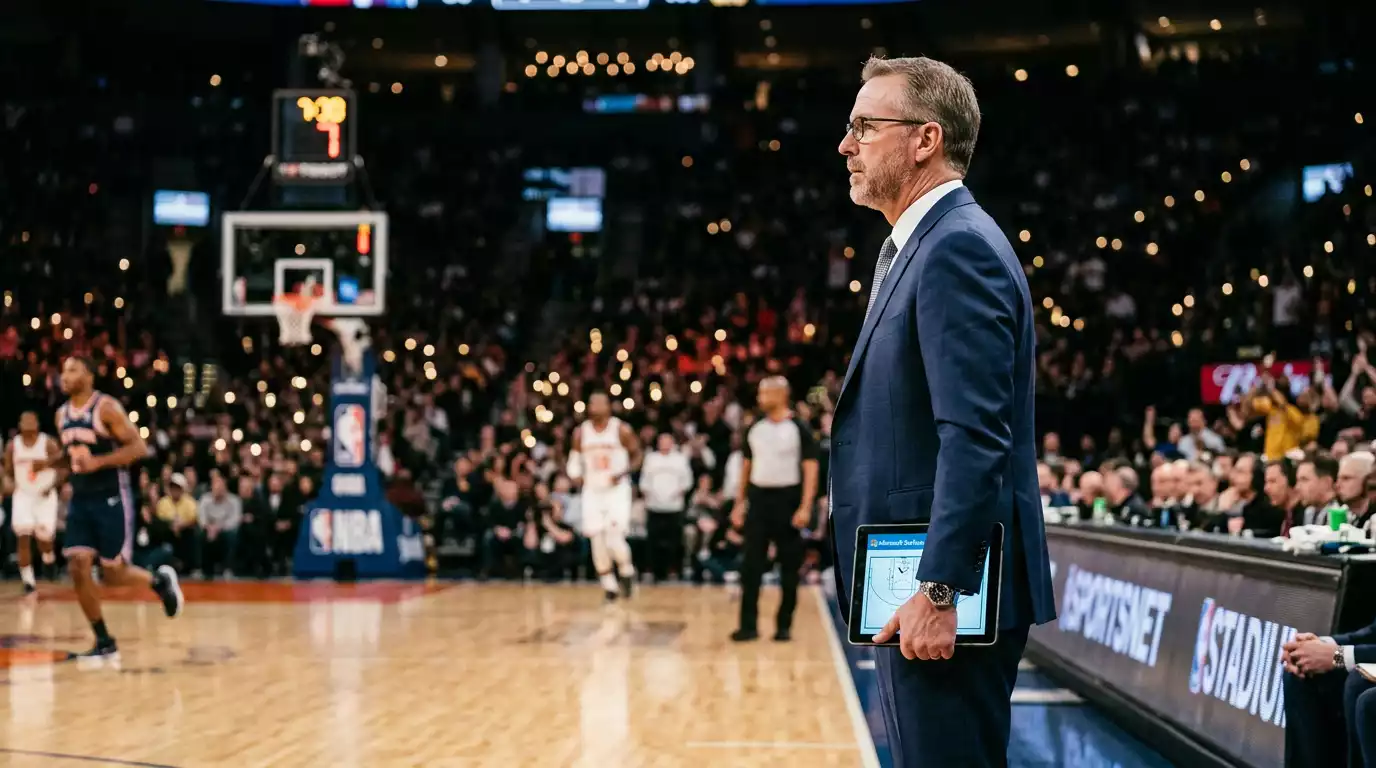
The name hit differently than the others on the indictment. Chauncey Billups wasn’t a fringe player or a journeyman official. He was an NBA champion, a Finals MVP, a five-time All-Star who’d transitioned to coaching the Portland Trail Blazers. When I saw his name among the October 2025 arrests, my first thought was that this scandal had reached deeper into basketball’s establishment than anyone had anticipated.
Billups’ alleged involvement raises questions that extend beyond his individual case. How does someone with his profile become entangled in a gambling conspiracy? What does his inclusion tell us about the scope of the operation? And what happens to a franchise when its head coach faces federal charges?
The Allegations Against Billups
Federal prosecutors included Chauncey Billups among the 34 individuals arrested in the October 2025 sweep. The specific allegations against him relate to his alleged role in providing information that benefited gambling operations connected to organised crime families.
Unlike Terry Rozier, who allegedly provided information about his own playing status, Billups’ alleged role stemmed from his position as head coach. Coaches possess comprehensive knowledge about team strategy, player health, rotation plans, and game preparation that could inform betting positions on multiple markets.
The indictment doesn’t suggest Billups manipulated game outcomes through coaching decisions. Rather, prosecutors allege he shared confidential team information with individuals connected to the gambling conspiracy. The value of that information derived from its non-public nature and its predictive utility for betting markets.
FBI Director Kash Patel described the overall operation as involving “tens of millions of dollars” in fraud. Billups’ specific financial involvement hasn’t been publicly detailed, but prosecutors have indicated that compensation flowed to participants based on the value of information they provided.
From Playing Career to Coaching and Controversy
Billups’ basketball credentials are impeccable. Drafted third overall in 1997, he developed into one of the best point guards of his generation. The 2004 NBA Finals MVP award, earned while leading Detroit to an upset championship over the Lakers, cemented his legacy as a winner who elevated teammates.
After retiring as a player in 2014, Billups transitioned to broadcasting before the Portland Trail Blazers hired him as head coach in 2021. The move was controversial from the start, not for basketball reasons but because of a 1997 civil lawsuit that had been settled out of court. Portland’s decision to hire him despite that history drew criticism from some fans and advocacy groups.
His coaching tenure produced mixed results on the court. The Trail Blazers struggled to build consistent success, and Billups faced questions about his tactical decisions and player development approach. But nothing in his professional trajectory suggested the kind of corruption alleged in the federal indictment.
What makes his alleged involvement particularly troubling is the access his position provided. A head coach knows everything about his team’s preparation, health status, and strategic approach. If that information reaches gambling interests, it creates edges that honest bettors can’t match.
Impact on the Portland Trail Blazers
The Trail Blazers faced an immediate crisis when news of Billups’ arrest broke. The franchise couldn’t continue employing a head coach under federal indictment for gambling-related charges, regardless of the presumption of innocence. Administrative leave followed within hours, with assistant coaches assuming game responsibilities.
The timing couldn’t have been worse for a franchise already struggling to rebuild. Portland had traded Damian Lillard, its longtime franchise player, and was attempting to develop young talent while positioning for future success. Coaching instability threatened that project’s foundation.
Financial implications extend beyond Billups’ contract. Sponsors evaluate associations carefully when criminal charges are involved. Season ticket holders who’d committed to supporting a rebuilding effort now questioned the organisation’s judgment and oversight. The reputational damage affected multiple revenue streams.
What the franchise knew and when it knew it will likely become subjects of investigation and litigation. If there were warning signs that Portland missed or ignored, liability questions arise. If the organisation had no reasonable way to detect Billups’ alleged conduct, they’re victims of circumstances beyond their control.
Legal Process and Potential Consequences
Billups faces federal charges that carry potential prison sentences measured in years rather than months. Wire fraud and conspiracy charges, the typical instruments for prosecuting sports corruption, have significant maximum penalties that prosecutors use as leverage in plea negotiations.
The legal process will unfold over months or years. Federal cases of this complexity involve extensive discovery, multiple pretrial motions, and potential cooperation from defendants seeking reduced sentences. The ultimate resolution, whether by trial verdict or plea agreement, remains uncertain.
NBA consequences will likely follow criminal proceedings. The league has authority to impose lifetime bans for gambling-related conduct, and the allegations against Billups are more serious than those that triggered previous permanent expulsions. His coaching career in the NBA almost certainly ended the moment federal agents made the arrest.
The personal and financial toll extends beyond formal penalties. Legal defence costs for federal cases routinely reach seven figures. Billups’ broadcasting opportunities, endorsement relationships, and post-basketball career options all suffered damage that won’t be undone regardless of trial outcome.
What Billups’ Case Reveals About NBA Vulnerabilities
The inclusion of a head coach among gambling conspiracy defendants highlights vulnerabilities the league hadn’t adequately addressed. Post-Donaghy reforms focused heavily on referees. Player education emphasised individual gambling prohibitions. But coaching staff access to sensitive information received less systematic attention.
Coaches aren’t subject to the same monitoring and background check regimes that officials face. They have legitimate reasons to communicate extensively with media, agents, and external parties. Distinguishing between appropriate professional relationships and inappropriate information-sharing requires oversight mechanisms that apparently didn’t exist or didn’t work.
The case also demonstrates how organised crime adapts to changing opportunity structures. When referee corruption became harder after Donaghy, sophisticated operators apparently found other access points. The information asymmetries that create betting edges exist throughout basketball operations, not just in officiating.
For UK bettors, Billups’ case reinforces that integrity risks extend beyond the obvious targets. Game manipulation by referees gets the most attention, but information leakage from coaches, medical staff, and team personnel creates similar market distortions. The vulnerability isn’t in any single position; it’s in the information itself.
What we don’t know is how common this kind of conduct might be. Billups was allegedly caught because the broader conspiracy drew federal attention. How many similar arrangements exist without the organised crime connections that triggered major investigation? The scope of the problem may be larger than any single prosecution reveals.
What is Chauncey Billups charged with?
Billups faces federal charges related to his alleged role in providing confidential team information to a gambling conspiracy connected to organised crime. The specific charges include wire fraud and conspiracy.
How does Billups’ case differ from player corruption?
Unlike players who allegedly provided information about their own status, Billups’ alleged role involved sharing comprehensive team information accessible only to coaches: strategy, health status, rotation plans, and game preparation details.
What happened to the Portland Trail Blazers after the arrest?
Portland placed Billups on administrative leave immediately after his arrest, with assistant coaches assuming game responsibilities. The franchise faces ongoing questions about coaching search, sponsor relationships, and organisational oversight.
Published by the nba ref Betting on Games team.