Lakers vs Kings 2002: Was Game 6 Fixed? Donaghy’s Allegations Examined
 Available in US
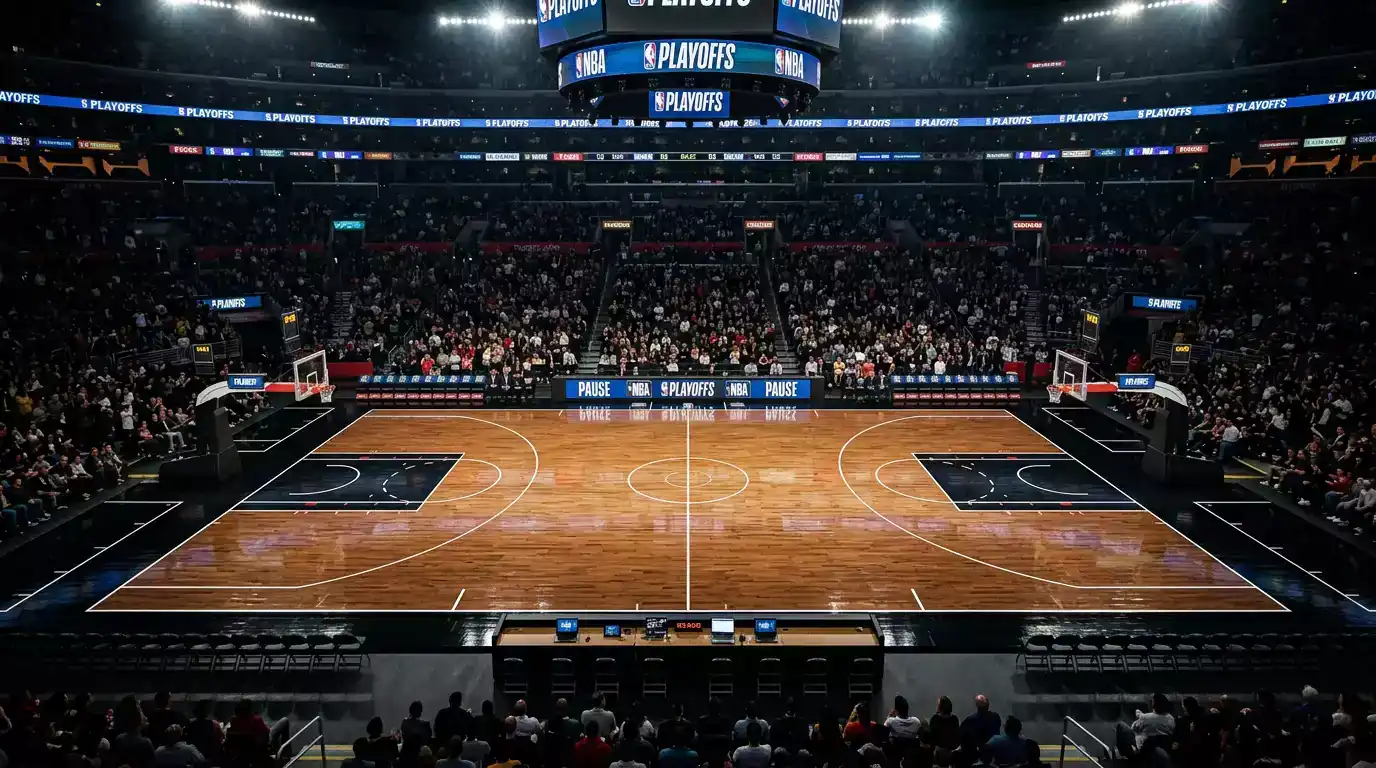
I was in a Las Vegas sportsbook when Game 6 of the 2002 Western Conference Finals unfolded. The Lakers trailed the Kings three games to two, facing elimination on the road. What happened over the next two hours became the most controversial game in modern NBA history, and when Tim Donaghy later alleged that referees manipulated the outcome, he gave voice to suspicions that millions of viewers already harboured.
Twenty-four years later, the game remains a flashpoint for debates about NBA integrity. Donaghy claimed two referees were directed to ensure the series reached Game 7, extending the financially valuable playoff run. The NBA investigated and found no evidence supporting those allegations. The truth, as I’ve come to understand it after years of examining the case, is more complicated than either side admits.
What Actually Happened in Game 6
The raw numbers tell part of the story. The Los Angeles Lakers attempted 27 free throws in the fourth quarter alone. The Sacramento Kings shot 9 free throws in the same period. Shaquille O’Neal, known for aggressive play around the basket, fouled out and still shot 13 free throws personally. Sacramento’s best player, Chris Webber, also fouled out on calls that remain debated to this day.
The Lakers won 106-102, forcing a decisive Game 7 that they would also win. Sacramento’s hopes of a championship died not in one crushing defeat but in two close games where officiating decisions loomed large in the outcome.
I’ve watched Game 6 multiple times, most recently with a notebook tracking each foul call. What’s striking isn’t any single egregious call, though several were controversial. It’s the cumulative pattern: borderline calls consistently going against Sacramento in crucial moments, the whistle appearing more frequently when the Kings built momentum, phantom fouls that sent Lakers to the line at critical junctures.
Reasonable observers can disagree about individual calls. But the distribution of those calls, the timing, the impact on game flow, all tilted in one direction. Whether that reflects bias, conscious manipulation, or simply variance in how referees respond to pressure, remains the core dispute.
Donaghy’s Specific Allegations
When Tim Donaghy cooperated with federal investigators, he didn’t just confess to his own crimes. He made broader allegations about systemic problems in NBA officiating, and Game 6 of the 2002 Western Conference Finals featured prominently in his claims.
According to Donaghy, two referees working that game were instructed by league officials to ensure the series continued to a seventh game. The motivation was financial: a longer playoff series meant more television revenue, more ticket sales, more merchandise. The mechanism was the same one Donaghy himself had exploited: foul calls that could shift outcomes without appearing obviously corrupt.
Donaghy named names in his allegations, identifying specific referees he claimed had manipulated results. But when federal prosecutors examined his claims, they found no corroborating evidence. No financial trail linking the referees to gambling interests. No communications confirming instructions from league officials. No pattern that distinguished those referees’ calls from normal variance in officiating.
The prosecutors who worked with Donaghy were measured in their assessment. They didn’t accuse him of lying, but they noted that believing something is true differs from that thing actually being true. Donaghy may have genuinely suspected his colleagues of corruption. That didn’t make his suspicions accurate.
The NBA’s Investigation and Findings
The league commissioned independent review of Donaghy’s allegations about the 2002 playoffs as part of the broader Pedowitz investigation. Analysts examined every call from the controversial games, compared referee performance to baseline patterns, looked for statistical anomalies that might indicate manipulation.
The findings exonerated the referees Donaghy had accused. Call patterns were within normal parameters for playoff games, which tend to feature more fouls and more intense scrutiny. The disparity in free throw attempts, while striking, wasn’t unprecedented for games featuring teams with different playing styles. The Lakers attacked the basket aggressively; the Kings relied more on perimeter shooting. That stylistic difference naturally produces different foul distributions.
Critics dismissed the investigation as compromised from the start. The NBA was investigating itself, after all, with obvious incentives to find nothing wrong. But the Pedowitz team included former prosecutors with no stake in protecting the league’s reputation, and their methodology was transparent enough for outside experts to evaluate.
Statistical Analysis of the Officiating
Independent analysts have studied Game 6 extensively, applying various statistical frameworks to assess whether the officiating deviated from expected patterns. The results are genuinely mixed, which helps explain why the controversy persists.
Some metrics suggest the foul distribution was unusual but not inexplicable. Playoff games between physical teams often produce lopsided free throw attempts. The fourth quarter disparity, while extreme, fell within the range of outcomes that occur without manipulation.
Other analyses find troubling patterns. The timing of fouls, concentrated in momentum-shifting moments, differs from random distribution. The specific players who received calls and those who were whistled for fouls shows correlation with their importance to Sacramento’s offensive and defensive schemes.
Brandon Lang, a sports handicapper who analysed NBA officiating patterns, told ESPN that a crooked referee can directly influence game outcomes 75 percent of the time when he has money on the game. That statistic provides context for how powerful referee discretion is, whether exercised honestly or corruptly.
Questions That Remain Unanswered
After more than two decades, certain questions about the 2002 Western Conference Finals resist definitive answers. Were the referees biased, consciously or unconsciously, toward the outcome the league preferred? Did the pressure of officiating an elimination game in front of a hostile crowd affect their judgment? Or did normal variance simply produce a result that looked suspicious in retrospect?
The absence of evidence for Donaghy’s specific claims doesn’t prove officiating was clean. It proves only that federal investigators couldn’t substantiate the allegations with admissible evidence. In criminal proceedings, that’s dispositive. In the court of public opinion, it leaves room for continued doubt.
What I’ve concluded after years of study is that Game 6 probably wasn’t fixed in the deliberate, conspiratorial sense Donaghy alleged. But it may have been influenced by subtler factors: referees unconsciously favouring the home team’s opponents in ways that prevented elimination, the cumulative effect of borderline calls in high-pressure situations, the human tendency to balance calls over time creating fourth-quarter patterns that shifted outcomes.
For UK bettors considering NBA wagers, the 2002 controversy offers an important lesson. Even if games aren’t “fixed” in the traditional sense, officiating discretion creates variance that can swing outcomes. Point spreads can be beaten not by corruption but by the inherent unpredictability of how referees will call tight games. Understanding that uncertainty is essential for anyone putting money on professional basketball.
Did Tim Donaghy fix the 2002 Lakers-Kings playoff series?
Donaghy did not personally officiate Game 6 or Game 7 of the 2002 Western Conference Finals. He later alleged that other referees were instructed to extend the series, but federal investigators and the NBA’s Pedowitz investigation found no corroborating evidence for these claims.
What did the NBA’s investigation find about the 2002 Game 6?
The NBA’s independent investigation, conducted as part of the Pedowitz Report, found that foul call patterns were within normal parameters for playoff games and that the free throw disparity could be explained by different playing styles between the teams.
Were any referees disciplined for the 2002 Western Conference Finals?
No referees were disciplined for the 2002 series. Despite Donaghy’s allegations naming specific officials, investigators could not find evidence of deliberate manipulation, and the referees continued their careers without sanction.
Created by the ”nba ref Betting on Games” editorial team.