SAFE Bet Act: Could Federal Regulation Prevent Future NBA Scandals?
 Available in US
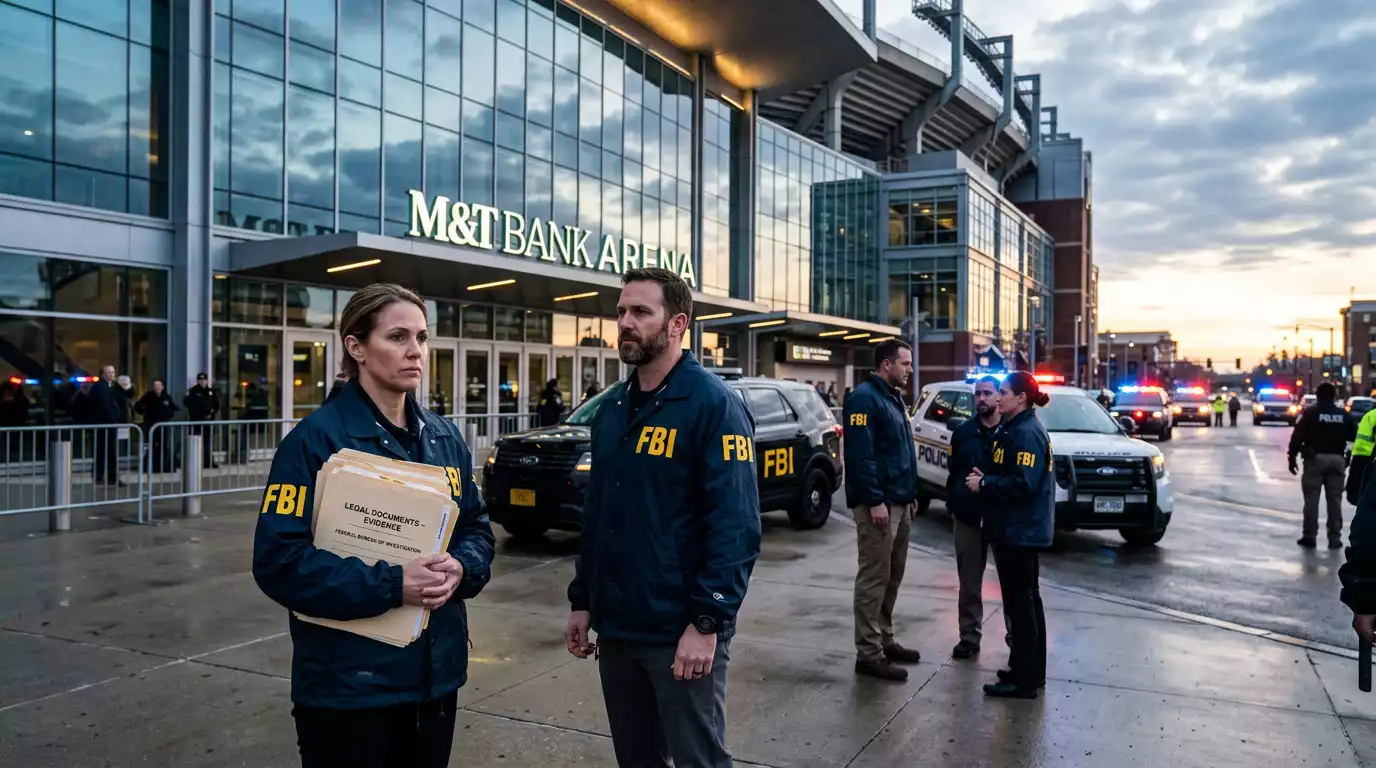
When Representative Paul Tonko introduced the SAFE Bet Act, I was sceptical. Congress has proposed dozens of sports betting regulations since Murphy v. NCAA, and none have come close to passage. But after the 2025 NBA scandal exposed just how fragmented American sports betting regulation remains, Tonko’s argument became harder to dismiss. Maybe federal guardrails aren’t just desirable but necessary.
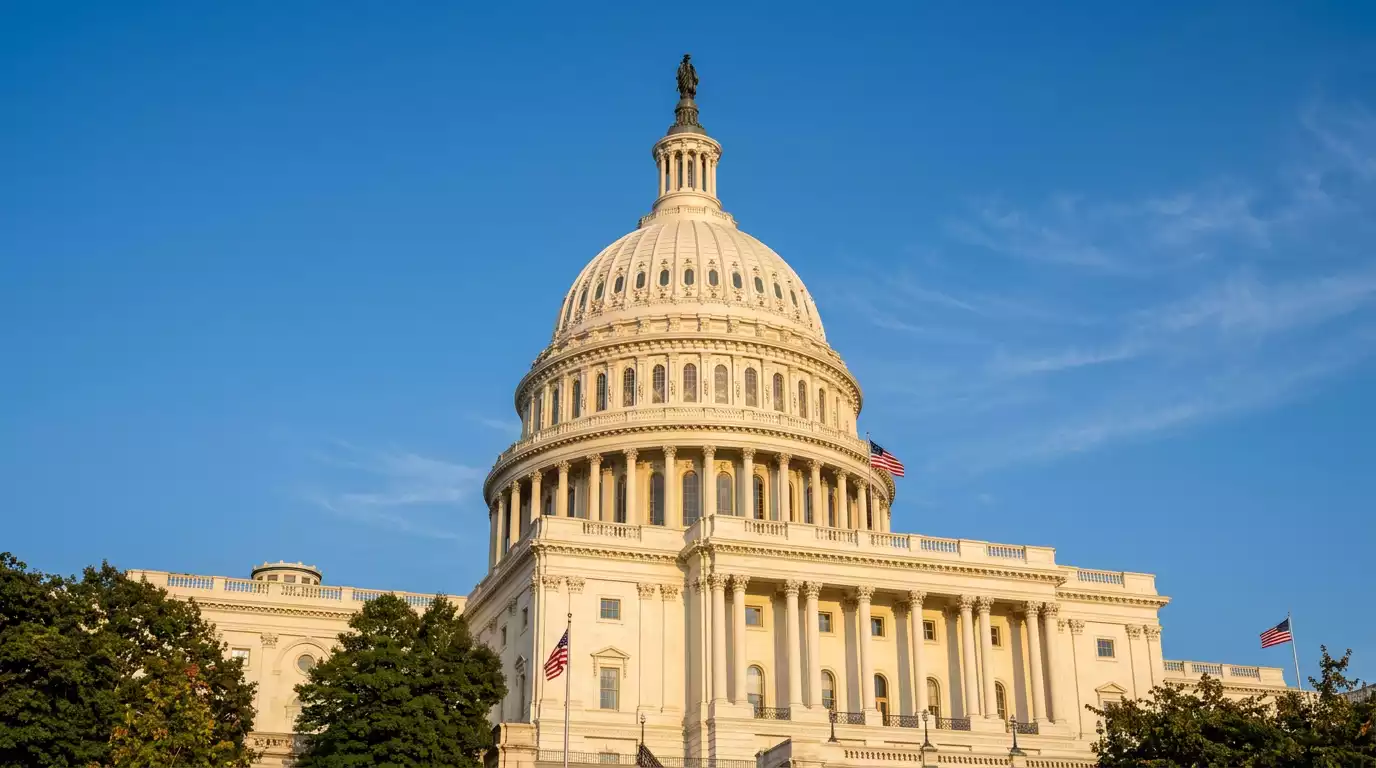
The SAFE Bet Act proposes mandatory federal standards for sports betting nationwide. Its proponents argue that state-by-state regulation creates gaps that organised crime and corrupt insiders exploit. Its critics call it federal overreach that would stifle a growing industry. For UK bettors wagering on American sports, the debate matters because its outcome will shape market integrity for decades.
What the Bill Actually Proposes
The SAFE Bet Act would establish federal minimum standards for sports betting operators while allowing states to impose stricter requirements. It addresses integrity monitoring, consumer protection, responsible gambling, and advertising restrictions through a framework that would apply nationwide.
Integrity provisions would require operators to participate in information-sharing programmes similar to what IBIA provides internationally. Suspicious activity reporting would become mandatory rather than voluntary. Coordination with sports leagues on integrity matters would follow standardised protocols rather than ad hoc arrangements.
Consumer protections would include requirements for responsible gambling tools, self-exclusion programmes, and transparency about odds and payouts. Advertising restrictions would limit marketing targeting vulnerable populations and require clear disclosure of risks.
The legislation would also create federal enforcement mechanisms. Currently, sports betting regulation depends entirely on state authorities with varying resources and priorities. Federal involvement would provide consistent enforcement capacity regardless of which state a violation occurred in.
Key Provisions and Their Potential Impact
Representative Tonko has been explicit about his assessment of current regulation: “Voluntary self-policing by the leagues and state regulators should be deemed ineffective. The exclusively state-based regulatory approach is fundamentally flawed.”
The strongest provisions address information asymmetries that the 2025 scandal exploited. Mandatory reporting of insider information violations would create federal criminal exposure beyond state gambling laws. Coordination requirements between sportsbooks, leagues, and regulators would ensure suspicious activity reaches investigators rather than disappearing in jurisdictional gaps.
Data-sharing requirements would allow authorities to track betting patterns across state lines. Currently, someone exploiting inside information might place bets in multiple states, with each state seeing only a portion of the activity. Federal coordination would assemble the complete picture.
Consumer protection provisions, while less directly relevant to market integrity, would reshape how sportsbooks operate. Restrictions on promotional practices and advertising could reduce the aggressive customer acquisition that currently drives the industry.
State Versus Federal Regulation Debate
The fundamental tension in American sports betting regulation is between state authority and national market realities. Following Murphy v. NCAA, 38 states plus Washington D.C. have legalised sports betting, each creating their own regulatory framework. The result is a patchwork that gambling operations can navigate strategically.
Representative Tonko addressed this directly in a letter to sports leagues following the 2025 arrests: “The choice before you is now explicit. Either engage directly with Congress to establish mandatory federal guardrails that restore integrity and protect the public or stand in opposition and accept responsibility when the next scandal breaks.”
State regulators have defended their competence, noting that suspicious betting on Terry Rozier’s props was detected in real time through existing monitoring systems. The scandal was caught, they argue, proving current frameworks function. Federal proponents counter that catching violations after they occur isn’t the same as preventing them.
The gambling industry itself is divided. Some operators support federal standards as providing regulatory certainty and levelling the competitive field. Others prefer the current system, where state-shopping allows selection of more favourable regulatory environments. These competing interests make consensus difficult.
Industry and League Response
Sports leagues have historically supported federal regulation in principle while resisting specific proposals that would constrain their influence. The NBA has pushed for control over which bet types operators can offer, arguing that leagues should have veto power over particularly vulnerable markets.
Sportsbook operators generally oppose extensive federal regulation, viewing it as adding compliance costs without improving outcomes. They point to existing integrity monitoring partnerships and voluntary cooperation as evidence that the industry can police itself.
The 2025 scandal shifted some of these positions. Calls for federal involvement intensified following the arrests, with even some industry representatives acknowledging that purely voluntary approaches had limitations. Whether this rhetorical shift translates into legislative support remains unclear.
What neither leagues nor operators want is regulation that significantly restricts their business models. Federal standards acceptable to stakeholders would likely be weaker than what integrity advocates prefer, reflecting the political compromises necessary for passage.
Prospects for Federal Regulation
Legislative forecasting is uncertain, but several factors suggest federal sports betting regulation remains unlikely in the near term. Congress has many competing priorities, the gambling industry deploys substantial lobbying resources, and states jealously guard regulatory authority they’ve only recently acquired.
The SAFE Bet Act or similar legislation would need support from members who currently receive campaign contributions from gambling interests and from delegations representing states that benefit from their regulatory independence. Building that coalition has proven difficult.
What might change the calculus is additional scandals. The 2025 arrests created political pressure for response. Another major integrity failure could make federal regulation appear necessary in ways that theoretical arguments haven’t. Crisis often drives legislation that ordinary politics cannot.
For UK bettors, the prospect of federal regulation carries mixed implications. Stronger integrity standards would benefit anyone wagering on American sports. But regulatory uncertainty during any transition period creates risks, and the specific provisions ultimately enacted might not improve outcomes. The current scandal demonstrated problems but didn’t guarantee solutions.
Lessons from UK Regulatory Experience
The United Kingdom offers a contrasting model of national sports betting regulation that American policymakers sometimes reference. The Gambling Commission provides unified oversight that the fragmented American system lacks. Whether this model produces better integrity outcomes is debated, but it demonstrates that comprehensive national regulation is operationally feasible.
UK regulation includes elements the SAFE Bet Act would introduce: mandatory integrity monitoring participation, standardised consumer protections, and coordinated enforcement. The statutory levy generating £100 million annually for gambling harm research and treatment shows how federal standards could fund infrastructure that state-by-state approaches struggle to sustain.
American federalism creates obstacles that the UK system doesn’t face. States have constitutional authority over gambling within their borders. Federal preemption requires congressional action that respects state sovereignty concerns. The political compromises necessary to pass federal legislation might produce weaker standards than what the UK already implements.
For UK punters betting NBA games, the regulatory comparison highlights what’s at stake. American markets currently operate under the patchwork system that critics argue enables manipulation. Whether federal reform addresses those vulnerabilities depends on political processes that remain uncertain. In the meantime, the integrity risks that prompted calls for federal action persist.
What is the SAFE Bet Act and how would it affect sports betting?
The SAFE Bet Act would establish federal minimum standards for sports betting including mandatory integrity monitoring, suspicious activity reporting, consumer protections, and advertising restrictions. States could impose stricter requirements but couldn’t fall below federal standards.
Why do some argue state-based regulation is fundamentally flawed?
Critics of state-only regulation, including Representative Tonko, argue that 38 different regulatory frameworks create gaps that organised crime and corrupt insiders can exploit. Federal coordination would address betting patterns that cross state lines and ensure consistent enforcement.
What are the chances of federal sports betting regulation passing?
Near-term prospects are limited due to competing congressional priorities, gambling industry lobbying, and state resistance to federal authority. Additional integrity scandals could change the political calculus, but currently there’s insufficient support for passage.
Written by the editors at nba ref Betting on Games.