Terry Rozier Gambling Allegations: The $100,000 Payment That Shook the NBA
 Available in US
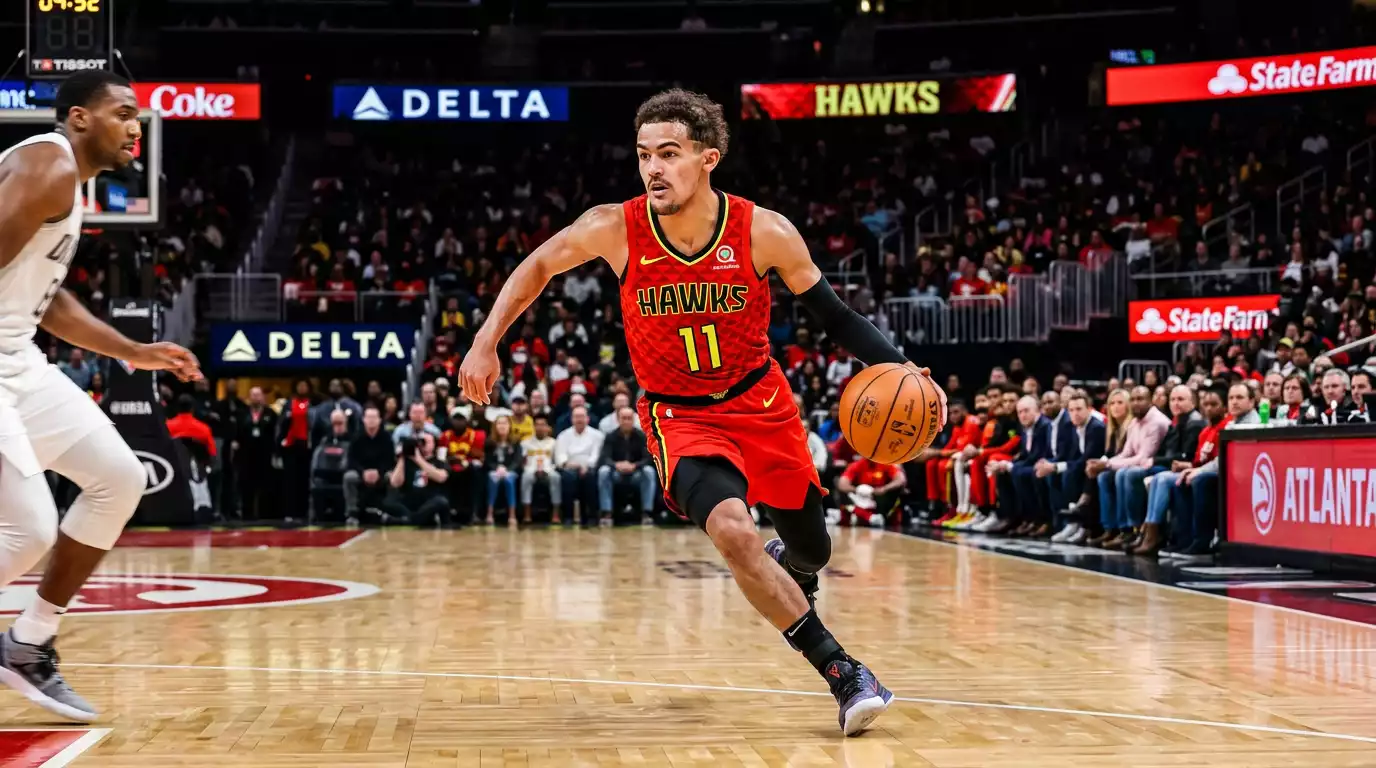
The federal complaint landed like a bomb: $100,000 allegedly paid to an active NBA All-Star for information about his injury status. Terry Rozier, a respected guard who’d worked his way from late first-round pick to legitimate star, stood accused of the kind of corruption that could end careers and reshape leagues. When I first read the allegations, my immediate thought was that this wasn’t Jontay Porter’s petty scheme. This was something far more organised and far more troubling.
Rozier’s case illustrates why information-based corruption may be harder to prevent than direct game manipulation. He didn’t allegedly fix games or manipulate his own statistics. He allegedly sold what he knew. The distinction matters legally, practically, and for understanding what risks bettors face in modern sports markets.
The Allegations in Detail
According to federal prosecutors, Terry Rozier received $100,000 in March 2023 for providing information about his injury status before a specific game. The payment allegedly came through intermediaries connected to a broader gambling operation that included organised crime figures.
The information in question concerned whether Rozier would play and, if so, at what capacity. An injured player who suits up but performs below normal creates predictable betting opportunities. Player props, game totals, and even point spreads can be exploited when you know something the market doesn’t.
U.S. Attorney Joseph Nocella Jr. described the operation: “This scheme is an insider sports betting conspiracy that exploited confidential information about National Basketball Association athletes and teams.” The legal framework treated the information-sharing itself as the predicate for fraud, regardless of whether Rozier manipulated his actual performance.
What makes the $100,000 figure significant is its scale. This wasn’t a casual tip to a friend. It represented a commercial transaction where inside information was valued, priced, and purchased. The amount suggests sophisticated operators who understood exactly how to monetise what Rozier allegedly provided.
How the Scheme Allegedly Worked
The mechanics of information-based betting corruption are straightforward once you understand market dynamics. NBA injury reports are submitted by 5 PM Eastern the day before games, but actual player condition often changes between reporting and tip-off. That gap creates opportunity.
A player might be listed as questionable but actually be feeling fine. Or listed as probable but privately dealing with a limitation that will affect performance. The public sees the official designation. Insiders know the truth. That informational edge translates directly into betting value.
According to prosecutors, the operation that allegedly paid Rozier had systems for converting inside information into profits. Bets would be placed across multiple platforms through accounts designed to obscure beneficial ownership. The timing would exploit the window between when insiders knew and when markets adjusted.
The sophisticated distribution of wagers made detection harder but not impossible. Integrity monitoring systems eventually flagged the unusual betting patterns on Rozier’s props, which triggered the investigation that led to the October 2025 arrests.
Detection and Investigation
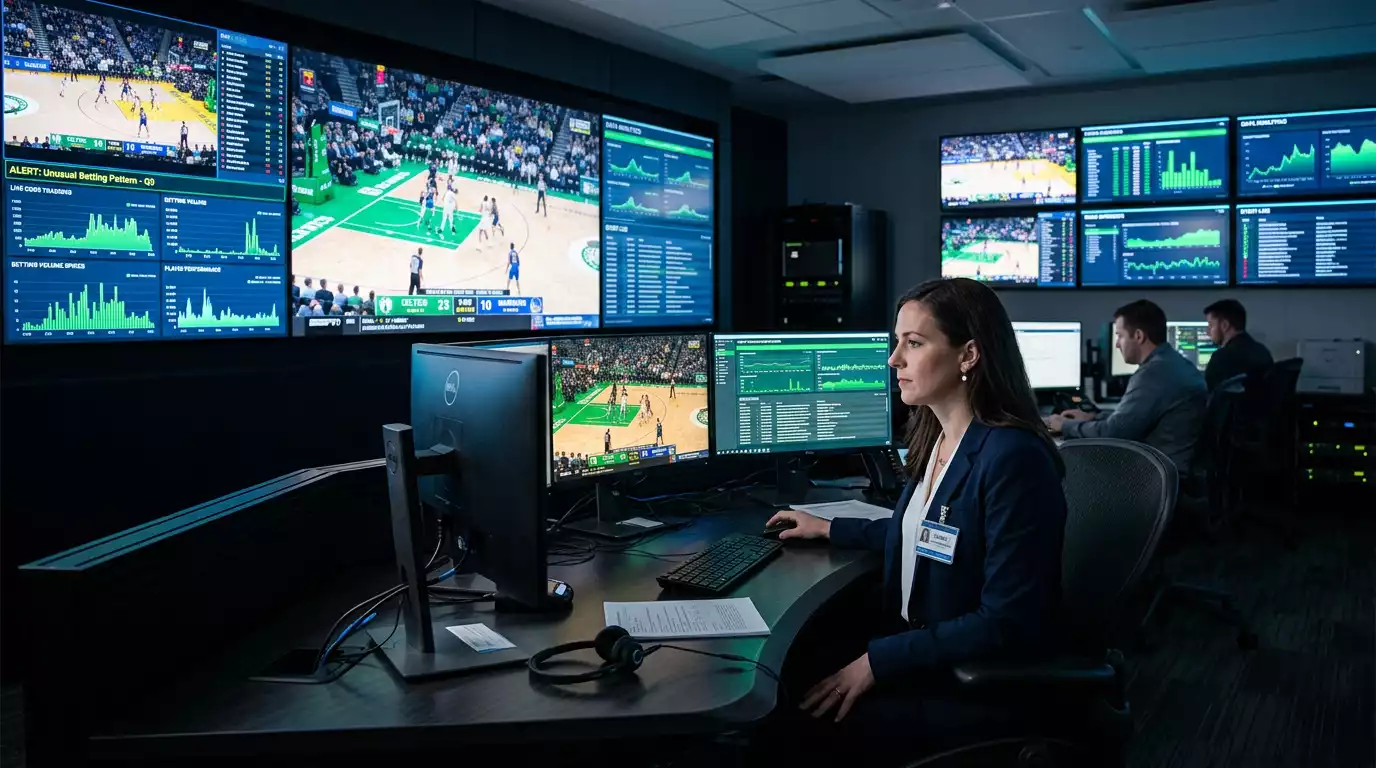
The NBA and sportsbook operators detected suspicious betting activity on Terry Rozier’s props in real time during the March 2023 game that prosecutors highlighted. Unusual volume and timing triggered automated alerts designed to identify potential integrity issues.
What followed was a multi-year investigation coordinating federal prosecutors, the FBI, state gaming regulators, and the NBA’s own integrity unit. The delay between initial detection and arrests reflects the complexity of building federal cases against organised criminal operations.
Commissioner Adam Silver noted that detection worked: the unusual betting was identified as it happened. But he also acknowledged limitations: “While the unusual betting on Terry Rozier’s ‘unders’ in the March 2023 game was detected in real time because the bets were placed legally, we believe there is more that can be done from a legal/regulatory perspective.”
The investigation expanded beyond Rozier to encompass dozens of defendants across multiple organisations. What began as suspicious betting on one player’s props led to exposing an alleged conspiracy involving organised crime families, current and former NBA personnel, and tens of millions of dollars in fraud.
Organised Crime Connections
FBI Director Kash Patel’s announcement connected the betting operation to traditional La Cosa Nostra families: the Bonanno, Gambino, and Lucchese organisations. This wasn’t freelance corruption but allegedly part of established criminal enterprises with decades of experience in gambling operations.
The organised crime dimension transforms how we should understand Rozier’s alleged involvement. If the allegations are accurate, he wasn’t just selling information to a gambler friend. He was allegedly participating in an operation with serious criminals who handled significant money and posed real risks to anyone who crossed them.
Christopher Raia, Assistant Director in Charge of the FBI New York Field Office, described the alleged operation as establishing “a financial funnel for La Cosa Nostra.” The gambling conspiracy wasn’t just about betting profits; it allegedly served broader criminal organisation interests.
For UK bettors, the organised crime connection matters because it suggests systematic rather than opportunistic corruption. Individual bad actors can be identified and removed. Criminal enterprises adapt, replace arrested participants, and continue operations. The threat doesn’t disappear with individual prosecutions.
Legal Consequences and Career Implications
Terry Rozier faces serious federal charges including wire fraud and conspiracy, with potential sentences of decades in prison if convicted. The criminal exposure dwarfs any NBA discipline, though league consequences will likely follow criminal proceedings.
The charges rest on the theory that providing inside information for gambling purposes constitutes fraud against both the betting markets and the NBA itself. This legal framework means Rozier didn’t need to fix games or manipulate his statistics to face criminal liability. The information transaction allegedly was the crime.
Career implications extend beyond legal consequences. Even if Rozier avoids prison through plea agreement or acquittal, his NBA future is uncertain. The league bans players for gambling-related conduct, and the allegations here are more serious than what triggered Jontay Porter’s lifetime expulsion.
The case will likely establish precedents for how information-sharing corruption is treated under federal law and league rules. Prior scandals focused on direct manipulation. Rozier’s case centres on what you know and who you tell. That distinction may require new frameworks for understanding and preventing sports corruption.
Implications for NBA Betting Markets
The Rozier allegations validate concerns that player prop markets carry risks game outcome markets don’t. Individual player information is easier to obtain and exploit than team-wide intelligence. A single source can provide everything needed to identify betting edges.
For UK punters betting NBA props through licensed operators, the case reinforces why line movements on specific players deserve careful attention. When props move significantly without public news explaining the shift, someone may know something the market doesn’t. Betting against that informed money means accepting that you’re disadvantaged.
The broader market impact depends on how regulators and leagues respond. More restrictions on vulnerable bet types would reduce opportunities for manipulation but also reduce betting options. Enhanced monitoring might catch schemes faster but can’t prevent the first exploitation of inside information.
What the Rozier case ultimately demonstrates is that integrity monitoring catches corruption but doesn’t prevent it. Detection occurred in real time during the March 2023 game. But by then, whoever bet on the information had already collected. The damage was done even though the scheme was eventually exposed.
What is Terry Rozier accused of doing?
Federal prosecutors allege Rozier received $100,000 for providing information about his injury status before a March 2023 game. The information allegedly enabled gambling associates to place informed bets on his performance props.
How did investigators detect the alleged scheme?
Unusual betting patterns on Rozier’s props triggered automated integrity alerts during the March 2023 game. Sportsbooks reported the suspicious activity to regulators and the NBA, initiating a multi-year investigation.
What criminal charges does Rozier face?
Rozier faces federal charges including wire fraud and conspiracy, with potential sentences of decades in prison if convicted. The charges treat providing inside information for gambling purposes as fraud.
Prepared by the nba ref Betting on Games editorial staff.