
NBA Same-Game Parlay Risks: Why Multi-Leg Bets Amplify Integrity Concerns
 Available in US
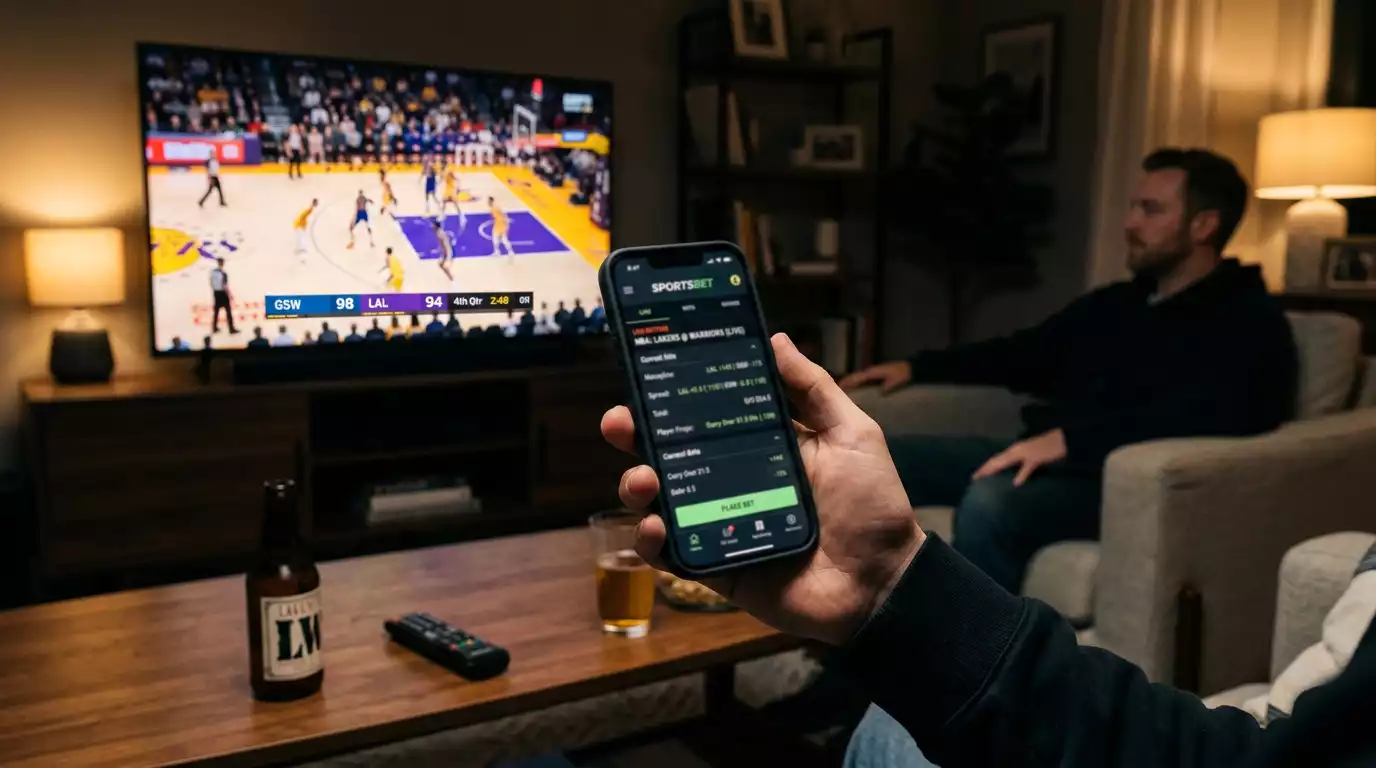
The marketing is everywhere: same-game parlays offering massive payouts for combining multiple bets on a single NBA game. Sportsbooks love them because the hold is enormous. Bettors love them because the potential returns dwarf traditional wagering. What neither side discusses openly is how same-game parlays concentrate integrity risks in ways that should concern everyone involved.
I’ve watched parlay betting evolve from simple accumulators to complex multi-leg constructions that treat individual game elements as independent events. They’re not independent. And when corruption enters the picture, the amplification effects make manipulation more profitable and harder to detect.
How Same-Game Parlays Work
A same-game parlay combines multiple bets on the same contest: team to win, over/under on total points, player prop on specific statistics. Each element must hit for the parlay to pay. The mathematical multiplication of individual probabilities creates odds that appear attractive but carry substantial house edge.
For NBA games, typical same-game parlays might include: Lakers to win, game total over 220.5, LeBron James to score over 27.5 points. Each leg seems reasonable independently. Combined, the parlay might pay +350 or better, suggesting massive value for capturing three outcomes that often correlate.
The correlation is where sportsbooks extract their edge. These outcomes aren’t independent. When a star player scores heavily, his team often wins, and game totals often go over. Sportsbooks price same-game parlays assuming independence when the actual events are correlated, pocketing the difference.
But correlation works both ways. When corruption affects one element of a same-game parlay, it often affects others. A player manipulating his own statistics influences props, potentially totals, and possibly spread outcomes. The parlay structure means one corrupted element can determine multiple legs.
Amplified Manipulation Returns
Consider a corrupt player who knows he’ll underperform in a specific game. Under traditional betting, he might bet his props to go under, capturing perhaps -110 odds for a modest profit. With same-game parlays, the same information generates dramatically higher returns.
The corrupt player could construct a parlay: his points under, his rebounds under, his assists under, opposing team covers the spread, game goes under the total. Each leg benefits from his planned underperformance. The parlay odds might reach +1000 or higher. The same manipulation generates ten times the profit.
This amplification changes the economics of corruption. When the potential return increases by an order of magnitude, the incentive to manipulate increases correspondingly. Same-game parlays make corruption more attractive precisely because they multiply the payoff from a single corrupted element.
The Jontay Porter scheme exploited exactly this dynamic. By guaranteeing his underperformance, associates could construct parlays that combined multiple props all dependent on the same predetermined outcome. The parlay structure transformed modest manipulation into substantial profits.
Detection Challenges
Identifying suspicious same-game parlays is harder than catching unusual straight bets. The volume is enormous: millions of parlays are placed on NBA games daily. The combinations are virtually infinite: dozens of potential legs create thousands of possible parlay constructions.
Monitoring systems designed for traditional betting don’t always adapt well to parlay analysis. Unusual activity on a single market triggers alerts. But when the same money is distributed across thousands of different parlay combinations that share common elements, the pattern becomes harder to isolate.
Sophisticated manipulators understand this. Rather than betting heavily on obvious markets, they can spread wagers across parlay variations that all benefit from the same corrupted outcome. The diversification obscures what would otherwise be obvious market manipulation.
The Porter detection succeeded because his manipulation was blatant and his operational security was poor. More sophisticated operators might avoid the patterns that triggered alerts in his case. Same-game parlays provide more ways to obscure betting activity while exploiting the same underlying corruption.
Regulatory and Industry Response
Sportsbooks face conflicting incentives regarding same-game parlay risks. The products are enormously profitable because of the inherent house edge. Restricting them would sacrifice significant revenue. But integrity failures threaten the entire regulated betting ecosystem.
Some operators have implemented monitoring specifically for same-game parlays, tracking when unusual combinations suggest coordinated betting. Others limit maximum payouts to reduce the attractiveness of parlay-based manipulation. Neither approach fully addresses the structural vulnerability.
The NBA has advocated for league control over which bet types operators can offer. An official memo stated: “Core to the NBA’s position is that sports leagues should have control over the types of bets offered on their games.” This could theoretically include restricting same-game parlay structures that create elevated integrity risks.
Regulators have generally left parlay offerings to operator discretion, focusing instead on detection and enforcement. The argument is that prohibition wouldn’t eliminate demand but would push it to unregulated markets. Whether that reasoning adequately weighs integrity concerns remains debatable.
Practical Considerations for UK Bettors
UK punters have access to same-game parlays on NBA markets through licensed operators. Understanding the risks helps inform decisions about whether and how to use these products.
The house edge on same-game parlays substantially exceeds traditional betting. You’re paying for the convenience and excitement of combining bets, not capturing value. Over time, this mathematical disadvantage compounds into significant losses for regular parlay bettors.
Integrity risks add another layer of concern. When you’re betting multi-leg parlays that include player props, you’re exposed to the possibility that one participant’s corruption can invalidate your entire ticket. A corrupted prop doesn’t just lose that leg; it loses the parlay.
If you do bet same-game parlays, consider avoiding player props on athletes with elevated manipulation risk. Stars under contract have less incentive to corrupt than fringe players with uncertain futures. Game outcomes depend on multiple participants, making single-source manipulation harder.
The fundamental reality is that same-game parlays optimise for sportsbook profit and bettor entertainment rather than fair value or integrity protection. That doesn’t make them wrong to bet, but understanding the trade-offs helps make informed decisions about your NBA betting approach.
Structural Problems Without Easy Solutions
The same-game parlay vulnerability isn’t easily addressed because the products serve legitimate market demand. Bettors want the engagement that complex wagers provide. Sportsbooks want the margins that correlated betting generates. Neither party has strong incentives to restrict options that work for their purposes.
Integrity monitors face structural challenges detecting parlay-based manipulation. The combinations are effectively infinite. Suspicious patterns in one parlay construction might not appear in tracking that focuses on different combinations. The complexity that makes parlays attractive to bettors also makes them challenging to monitor.
What might help is targeted restriction on the specific elements most vulnerable to corruption. If player props on fringe athletes were excluded from same-game parlay construction, the manipulation incentive would decrease while maintaining most of the product’s appeal. Such restrictions face operator resistance but address the highest-risk components.
For UK bettors, the situation calls for personal risk management rather than relying on systemic protection. Understand what you’re betting into. Recognise the elevated house edge and integrity exposure. If same-game parlays appeal for entertainment value, bet accordingly while accepting the mathematical and ethical realities of the product structure.
Why are same-game parlays riskier from an integrity perspective?
Same-game parlays amplify manipulation returns by allowing one corrupted element to determine multiple legs. A player manipulating his own statistics can affect props, totals, and spreads simultaneously, generating much higher profits than straight betting on the same manipulation.
How do sportsbooks profit from same-game parlays?
Sportsbooks price same-game parlay legs as if outcomes are independent when they’re actually correlated. A star scoring heavily often correlates with his team winning and games going over. The mathematical gap between assumed and actual independence creates substantial house edge.
Should UK bettors avoid NBA same-game parlays?
Same-game parlays carry both higher house edge and elevated integrity risk. They’re not necessarily wrong to bet for entertainment, but understanding these trade-offs helps inform decisions. Avoiding player props on high-risk athletes reduces manipulation exposure.
Written by the editors at nba ref Betting on Games.