Sol Levy: The First NBA Referee Banned for Fixing Games
 Available in US
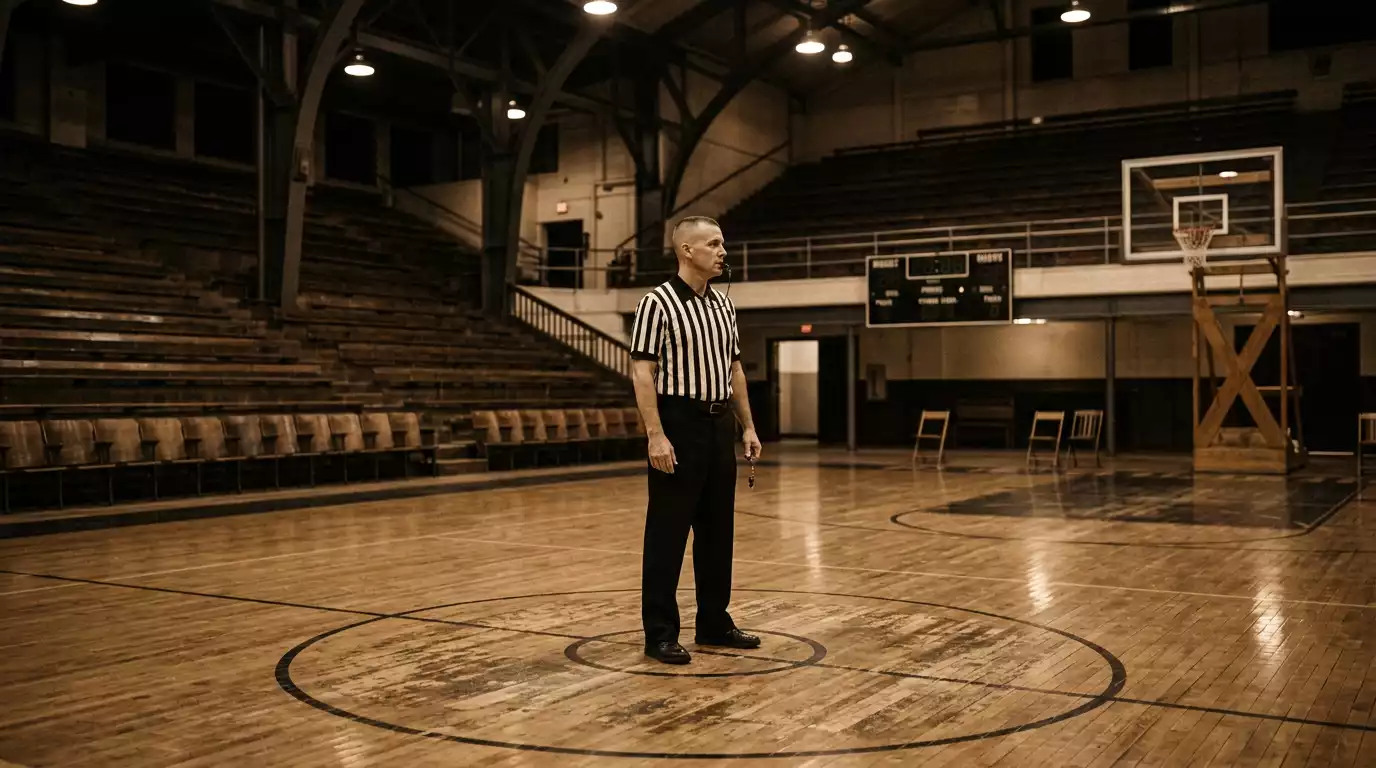
Most basketball historians trace NBA betting corruption to Tim Donaghy’s arrest in 2007. They’re wrong by more than half a century. I’ve spent years digging through court records and newspaper archives from the early 1950s, and what I found changes how we should understand the league’s relationship with gambling. Sol Levy, an NBA referee from 1948 to 1951, was charged with seven criminal counts for fixing six NBA games during the 1950-51 season, becoming the first official banned from professional basketball.
The Levy case matters because it established a pattern the league would repeat: scandal, denial, quiet reform, then collective amnesia. When Donaghy was caught, NBA Commissioner David Stern called it “the most serious situation and worst situation” he’d ever experienced. But the playbook already existed, written in Manhattan courtrooms seventy years earlier.
What follows is the story the NBA would rather you forget. A referee on the take, a gambling syndicate pulling strings, and a league that learned all the wrong lessons from its first integrity crisis.
Who Was Sol Levy?
I once asked a retired New York sportswriter if he remembered Levy. “The fixer?” he said. “Sure. Little guy, quiet. Nobody suspected him because he looked like an accountant.” That description captures something essential about how game-fixing often works. The perpetrators rarely match our mental image of criminals.
Levy joined the NBA officiating corps in 1948, just two years after the Basketball Association of America was founded. The league was still finding its footing, playing in half-empty arenas, desperately seeking legitimacy against more established college basketball. Referees weren’t celebrities or even well-paid professionals. They were journeymen, often officiating multiple sports, travelling by train between cities, staying in modest hotels.
The vulnerability was obvious to anyone who cared to look. Referees controlled the whistle. They could call fouls or swallow them. In basketball, where personal fouls accumulate and send players to the free-throw line, a corrupt official could manipulate point totals without obviously affecting who won or lost. The point spread was king, even then, and Levy understood exactly how to work it.
What made Levy different from the college players caught fixing games during the same period was his access. Players could only control their own performance. A referee controlled the entire game.
The Fixing Scheme Exposed
The scheme unravelled because someone talked. It always does. In the winter of 1951, Manhattan District Attorney Frank Hogan was already investigating college basketball fixing when informants mentioned a professional angle. The trail led to Levy.
According to court documents, Levy worked with gamblers to influence six games during the 1950-51 season. The mechanics were straightforward: gamblers would identify games where the point spread created opportunity, contact Levy, and he would officiate accordingly. If the spread favoured one team by seven points, Levy could call enough fouls to push the final margin in the desired direction without changing the actual winner. Bettors who wagered on the spread cleaned up.
The sophistication of the operation surprised investigators. Levy wasn’t simply making bad calls randomly. He was strategic, targeting moments when his interventions would appear natural. A questionable charge call here, a generous travel ruling there. The cumulative effect shifted games by crucial points while maintaining plausible deniability. Contemporary observers who studied his games later noted patterns that should have raised alarms: unusual foul distributions, suspicious timing of technical fouls, consistent benefits to the spread-favoured outcome.
What particularly struck me when reviewing the case materials was how little money changed hands. Levy wasn’t getting rich. The gamblers were making fortunes, but the referee received modest payments. He was taking enormous risks for comparatively small rewards, a dynamic that would repeat itself with Donaghy decades later.
Criminal Charges and Trial
The indictment came down in late 1953. Seven criminal counts, each representing a specific act of conspiracy to fix basketball games. Levy faced the possibility of significant prison time, though the actual sentences for sports bribery in that era were typically modest compared to what federal prosecutors would later seek.
Levy’s defence attempted what would become a standard playbook: minimise, deflect, claim the calls were judgment decisions rather than corrupt ones. Referees make controversial calls all the time. How could prosecutors prove any particular whistle was blown for money rather than genuine interpretation of the rules?
The evidence included testimony from cooperating gamblers who detailed the arrangement. Payment records. Pattern analysis showing Levy’s calls systematically favoured outcomes that benefited specific betting interests. The prosecution painted a picture of calculated corruption rather than occasional poor judgment.
The trial became a minor sensation in New York sports pages, though it was overshadowed by the broader college basketball fixing scandal that ensnared more prominent figures. Levy was convicted on multiple counts. The judge, citing the damage to professional sports integrity, imposed penalties that ended any possibility of Levy returning to officiating.
The NBA moved quickly to distance itself. Levy was banned permanently, his name struck from league records with the kind of thoroughness usually reserved for war criminals. Within a few years, you could read entire histories of early NBA officiating without finding any mention of him.
The NBA’s Response in the 1950s
Here’s where the story gets instructive for anyone trying to understand how sports leagues handle integrity crises. The NBA’s response in 1953 looked almost identical to its response in 2007. Public statements of outrage. Promises of reform. Then a determined effort to move on and forget.
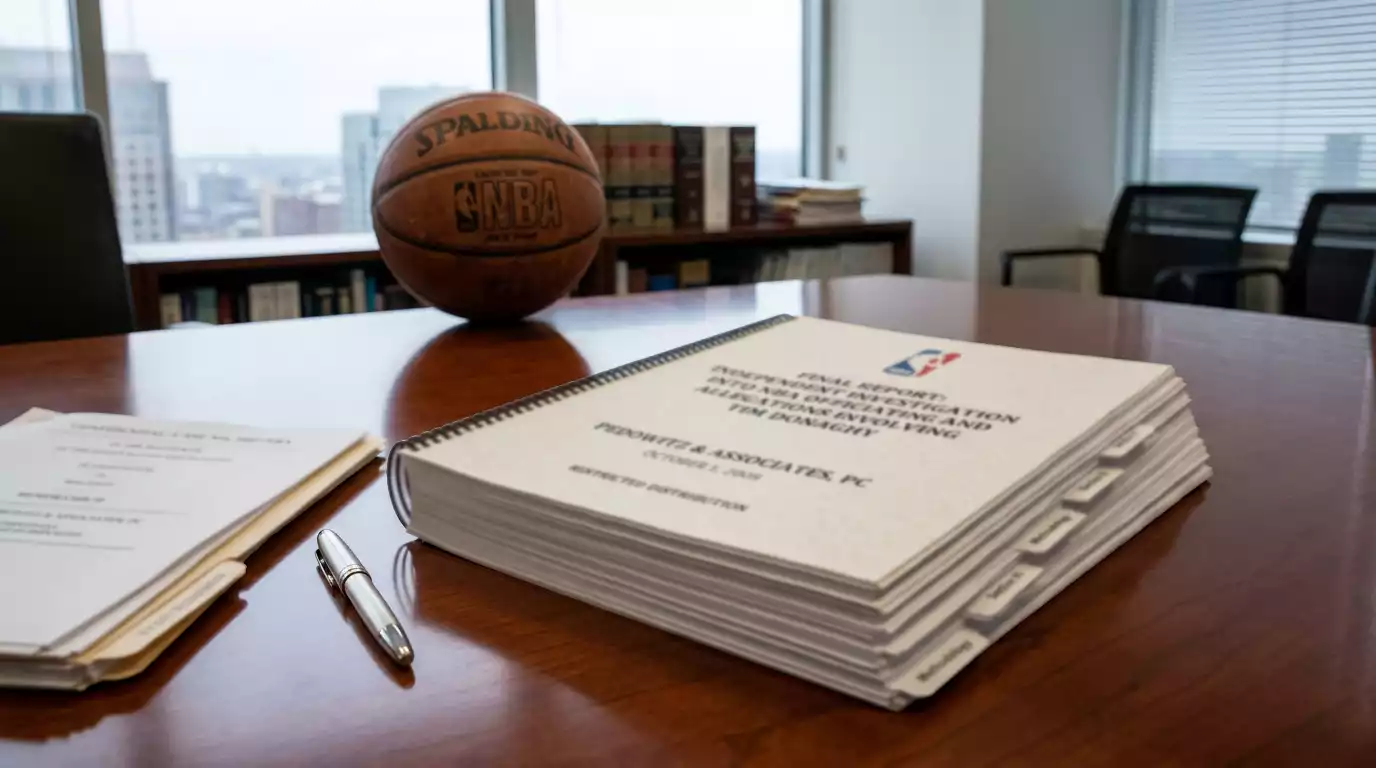
The league implemented some procedural changes: more oversight of referee assignments, vague commitments to background checks, warnings about associating with known gamblers. But there was no comprehensive review, no Pedowitz Report equivalent, no structural transformation of how referees were monitored and evaluated.
Part of this reflected the era. The NBA in 1953 was a struggling enterprise, far from the global entertainment powerhouse it would become. Television contracts were minimal. Attendance was inconsistent. The league couldn’t afford the reputational damage of dwelling on corruption, so it chose the strategy that would become its default: acknowledge, ban the offender, reform minimally, and move forward.
The gambling environment was also different. Legal sports betting existed only in Nevada. The action that Levy was manipulating came from illegal bookmakers operating in every major city. The underground nature of the betting market made it harder to monitor and, paradoxically, easier for the league to pretend the problem had been solved by removing one bad actor.
Why History Forgot Sol Levy
I’ve asked multiple NBA historians about Levy over the years. Most have never heard of him. The ones who have tend to dismiss the case as ancient history, irrelevant to understanding modern basketball. I think they’re missing something important.
The institutional amnesia around Levy wasn’t accidental. The NBA had every incentive to bury the story. A league trying to establish credibility couldn’t afford constant reminders that its officials had been on the take since nearly the beginning. So Levy became a footnote, mentioned briefly in obscure texts, absent from official histories, unknown to generations of fans.
This forgetting enabled the conditions that produced Tim Donaghy. When the Donaghy scandal erupted, league officials acted shocked, as if nothing like this had ever happened before. But the vulnerabilities Donaghy exploited were the same ones Levy had exploited half a century earlier. Referees with gambling debts. Inadequate monitoring. The fundamental asymmetry between a referee’s control over game outcomes and the modest compensation they received.
If the NBA had genuinely learned from Levy, had built institutional memory about how referee corruption works and how to prevent it, Donaghy might never have found the space to operate for four consecutive seasons. Instead, the league treated each scandal as unprecedented, which meant it never developed the systematic defences that genuine institutional learning would have produced.
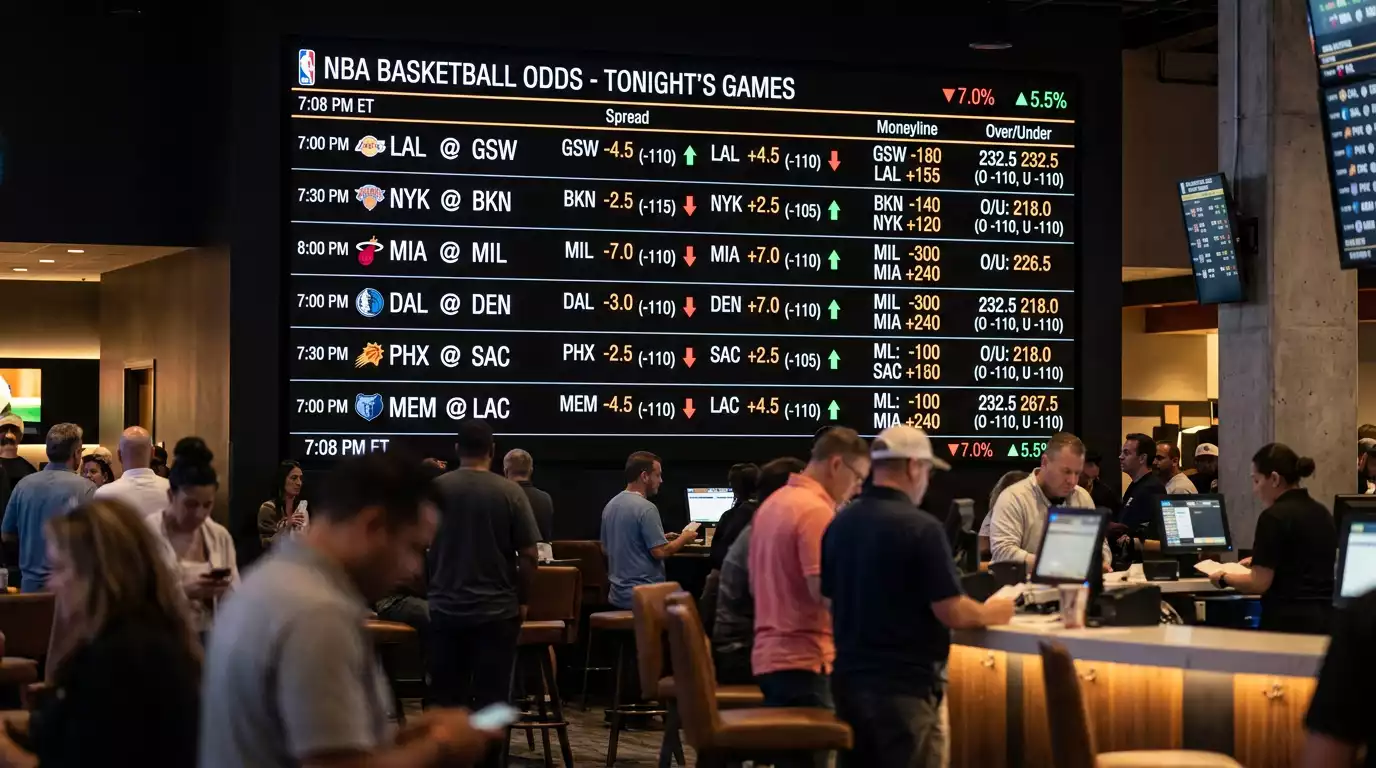
For UK bettors wagering on NBA games today, the Levy case offers a crucial lesson. The integrity challenges facing basketball aren’t new. They’re as old as the league itself. The mechanisms that enabled corruption in 1950 still exist in 2026, just dressed in different technology. Understanding that history isn’t just academic exercise. It’s essential context for assessing the risks that come with every NBA wager.
What happened to Sol Levy, the first NBA referee caught fixing games?
Sol Levy was charged with seven criminal counts for fixing six NBA games during the 1950-51 season. He was convicted and permanently banned from the NBA, becoming the first official expelled from the league for gambling-related corruption.
How many games did Sol Levy fix in the 1950-51 season?
According to court documents, Levy fixed six NBA games during the 1950-51 season, working with gamblers to manipulate point spreads without necessarily changing game winners.
Why was the Sol Levy scandal forgotten by NBA historians?
The NBA had strong incentives to bury the story as it tried to establish credibility. Levy’s case was overshadowed by larger college basketball fixing scandals of the era, and the league’s deliberate efforts to distance itself meant his name was largely erased from official histories.
Written by the editors at nba ref Betting on Games.