How the FBI Caught Tim Donaghy: The Investigation That Exposed NBA Fixing
 Available in US
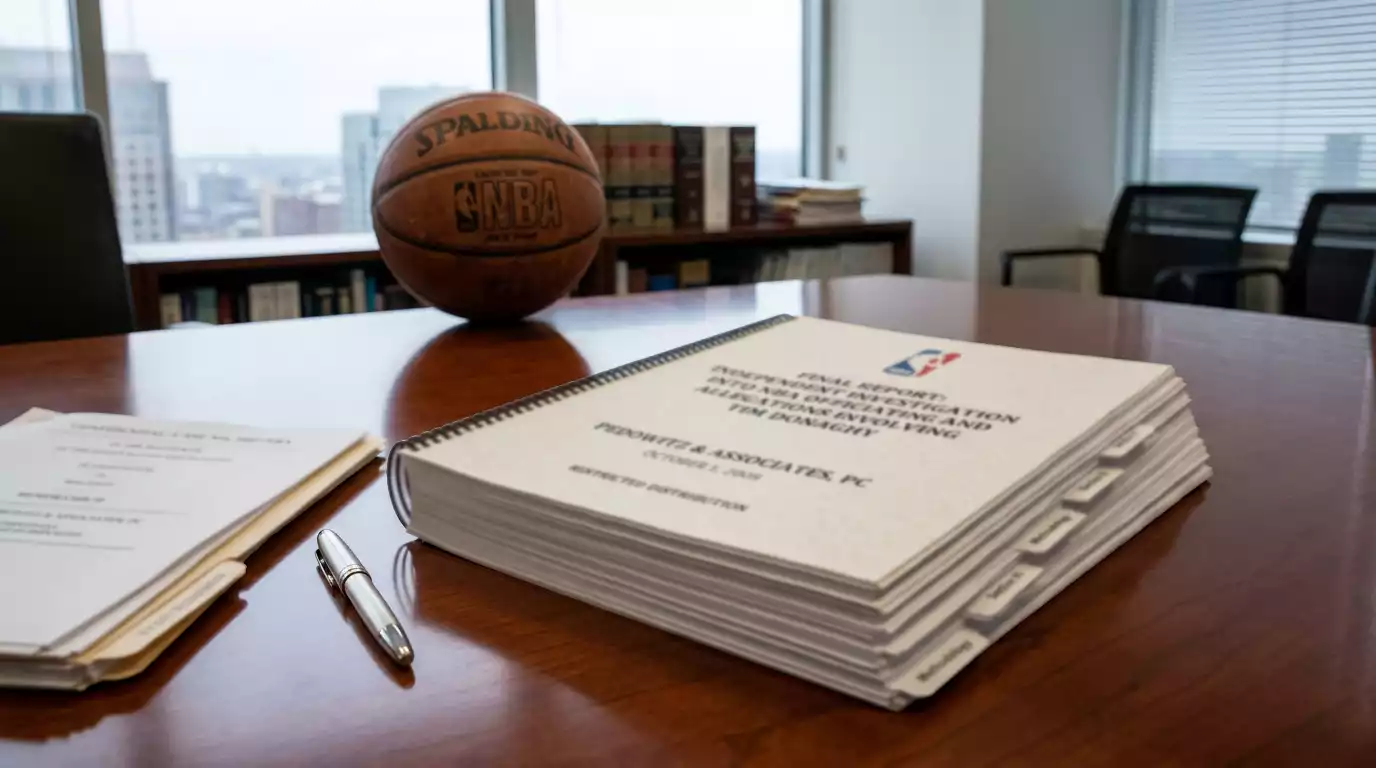
Federal investigations into sports corruption rarely begin where you’d expect. The FBI wasn’t watching NBA games looking for crooked referees. They were investigating organised crime in New York when telephone intercepts captured something unexpected: gamblers discussing an NBA official who was providing inside information. That’s how they found Tim Donaghy, and the case that followed would expose the most significant officiating scandal in American professional sports history.
I’ve covered criminal investigations for two decades, and the Donaghy case stands out for how quickly it unravelled once federal agents got involved. Four seasons of corrupted games, hundreds of thousands of dollars in payments, a conspiracy involving professional gamblers with mob connections, all brought down in months once the FBI turned its attention to a referee who thought he’d never get caught.
Understanding how the investigation proceeded matters for anyone trying to assess integrity risks in professional basketball. The methods that exposed Donaghy are still in use today, which means similar schemes face similar detection risks.
The Initial Tip and Investigation Launch
The story begins not with basketball but with organised crime surveillance in the New York metropolitan area. FBI agents monitoring gambling operations intercepted communications that referenced an NBA referee providing tips on games he was officiating. The source wasn’t a whistleblower with moral qualms about corruption. It was simply intelligence gathered in the course of another investigation.
What made federal agents take the tip seriously was the specificity of the information. The gamblers weren’t speaking vaguely about having an inside source. They were discussing particular games, specific referees, actual betting outcomes. The conversation patterns suggested an ongoing relationship rather than isolated incidents.
The FBI opened a formal investigation in early 2007, though the scheme they eventually uncovered had been operating since the 2003-04 season. Four years of fixing games, and the NBA’s internal monitoring had detected nothing. It took an unrelated criminal investigation to expose what was happening on NBA courts.
That gap between when corruption began and when it was discovered should concern anyone who bets on professional sports. Sophisticated schemes can operate for extended periods before detection, and the detection often comes from sources outside the sport itself.
Investigation Methods and Evidence Gathering
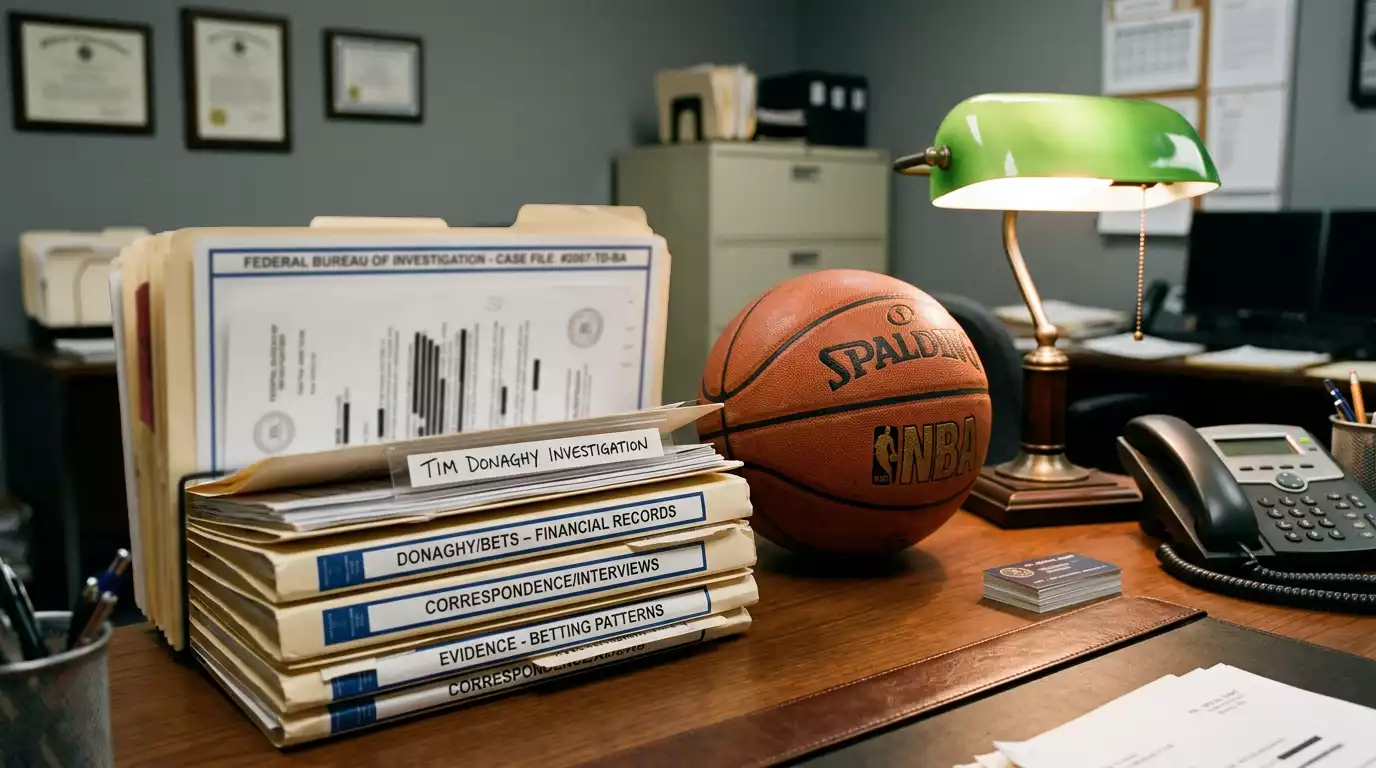
Once the investigation was formally opened, federal agents employed the full range of techniques available for complex financial crimes. Wiretaps captured conversations between Donaghy and his co-conspirators. Financial records showed payment patterns that corresponded with games Donaghy officiated. Betting data revealed unusual market movements before tip-off on games where Donaghy was assigned.
The technical evidence was compelling, but the human element proved decisive. Co-conspirators who faced their own charges had strong incentives to cooperate, and they did. Tommy Martino, Donaghy’s childhood friend who served as the intermediary between the referee and professional gamblers, provided extensive details about how the scheme operated.
What the evidence showed was a methodical operation. Donaghy would inform Martino which games he was assigned to officiate. Martino would pass that information to Jimmy Battista, a professional gambler with connections to organised crime. Battista would place bets or sell the information to other gamblers, then payments would flow back to Donaghy through Martino.
The payment structure revealed in court documents was revealing. Donaghy received $2,000 cash for each correct betting pick initially, increasing to $5,000 per correct pick during the 2006-07 season as the scheme’s profitability became clear. According to different sources, total payments ranged from $120,000 to $209,000 over the period of the conspiracy.
Cooperating Witnesses and Testimony
Martino’s cooperation was crucial, but it created complications. He was simultaneously a defendant facing charges and a witness providing testimony about the scheme’s operation. Defence attorneys would later question his credibility and motivations. But his account was corroborated by financial records, phone intercepts, and betting pattern analysis.
Battista also eventually cooperated, though his involvement was more complex. As a professional gambler, he had operated in legally ambiguous territory for years. His testimony provided insight into how the betting side of the conspiracy worked: how information about referee assignments was valued, how bets were structured to avoid detection, how proceeds were distributed.
The cooperating witnesses described a surprisingly casual operation. Donaghy wasn’t using encrypted communications or elaborate counter-surveillance measures. He was simply calling a childhood friend and discussing which games offered good betting opportunities. The confidence with which the conspirators operated suggested they believed detection was unlikely.
Donaghy’s Decision to Cooperate
When confronted with the evidence, Donaghy faced a choice that defines many white-collar criminal cases: fight the charges and risk severe consequences, or cooperate and hope for leniency. He chose cooperation, though the quality and completeness of his assistance became matters of dispute.
Donaghy provided information about his own activities and implicated his co-conspirators. But he also made broader allegations about officiating bias in the NBA, claims that other referees were influenced by various factors, accusations that the league itself had compromised integrity. These allegations generated headlines but proved difficult to substantiate.
Assistant U.S. Attorney Jeffrey Goldberg offered a measured assessment during court proceedings: “We’ve never taken the position that Mr. Donaghy has lied to us. But there is a difference between telling the truth and believing you’re telling the truth and finding out later that a number of the allegations don’t hold any water.”
The distinction matters. Donaghy genuinely believed much of what he said about broader NBA corruption, but federal investigators couldn’t corroborate those claims. His cooperation on the specific conspiracy was valuable. His more sweeping accusations remained unproven.
Evidence That Built the Federal Case
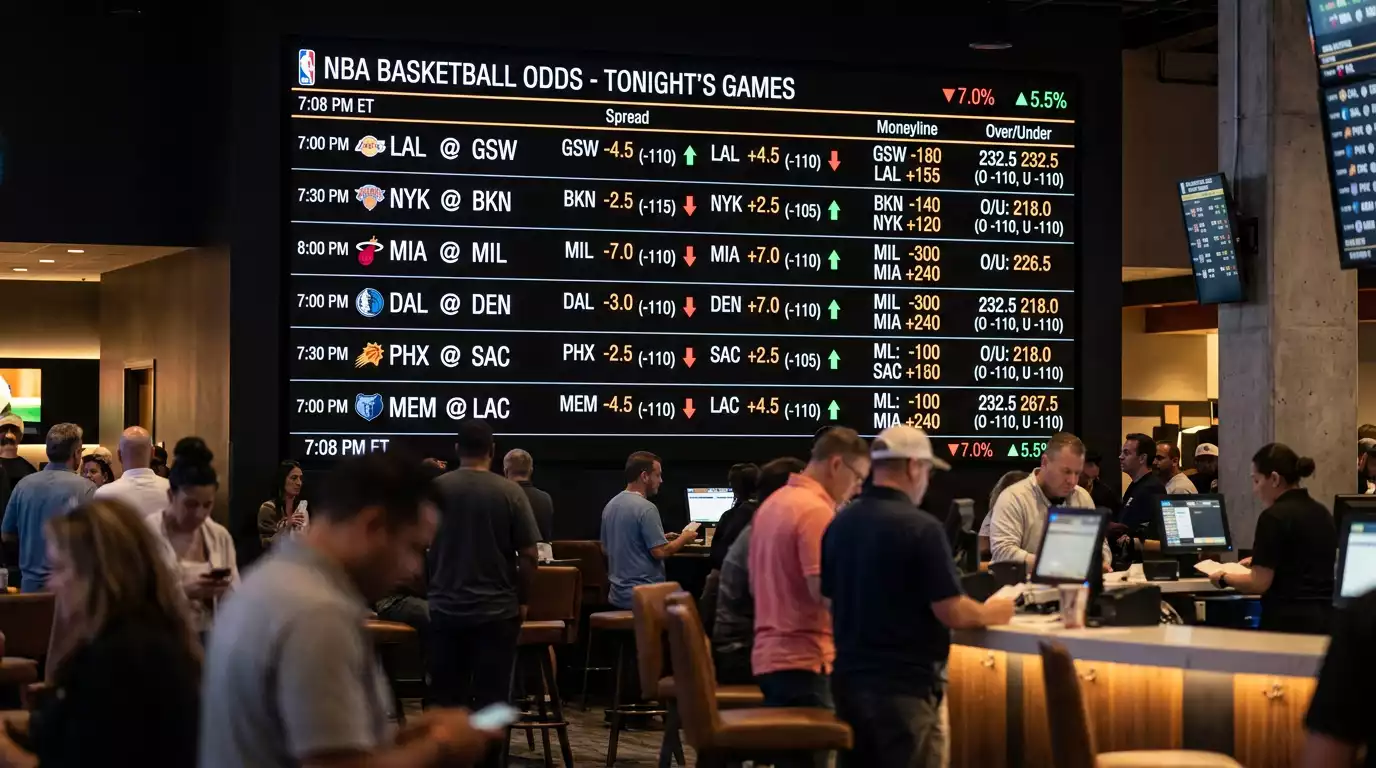
The case prosecutors presented was built on multiple evidence streams that reinforced each other. Phone records established communication patterns between the conspirators. Financial records showed money flowing from gambling operations to Donaghy. ESPN’s subsequent analysis found 10 straight games in 2007 where Donaghy worked where the point spread moved 1.5 points or more before tip-off, with the side receiving sharp money winning every time.
That betting pattern analysis was particularly damning. Normal market movements don’t produce such consistent results. Something was distorting the market, giving certain bettors systematic advantage. The pattern matched exactly what you would expect if inside information about referee assignments was being exploited.
Donaghy was sentenced to 15 months in federal prison on July 29, 2008, for conspiracy to commit wire fraud and transmitting wagering information. The sentence reflected his cooperation, but also the seriousness of the offence. He had betrayed the most fundamental trust in professional sports: that the officials are honest.
For those of us who study integrity in sports betting, the Donaghy case established templates that remain relevant today. The investigation methods that caught him are still in use. The betting pattern analysis that confirmed the scheme still operates. And the vulnerabilities he exploited, while partially addressed, haven’t been entirely eliminated. Every major sports betting market carries some version of the risk that Tim Donaghy’s case made impossible to ignore.
What investigative methods did the FBI use to build the case against Donaghy?
The FBI used wiretaps to capture conversations between conspirators, analysed financial records showing payment patterns, tracked betting data revealing unusual market movements, and obtained cooperation from co-conspirators Tommy Martino and Jimmy Battista.
Did Tim Donaghy cooperate with federal investigators?
Yes, Donaghy cooperated with federal investigators after being confronted with evidence. He provided information about his own activities and implicated co-conspirators, though his broader allegations about systemic NBA corruption could not be corroborated.
What evidence linked Donaghy to the gambling conspiracy?
Evidence included phone records of communications with co-conspirators, financial records showing payments totalling between $120,000 and $209,000, and betting pattern analysis showing consistent point spread movements favouring informed bettors on games Donaghy officiated.
Published by the nba ref Betting on Games team.